
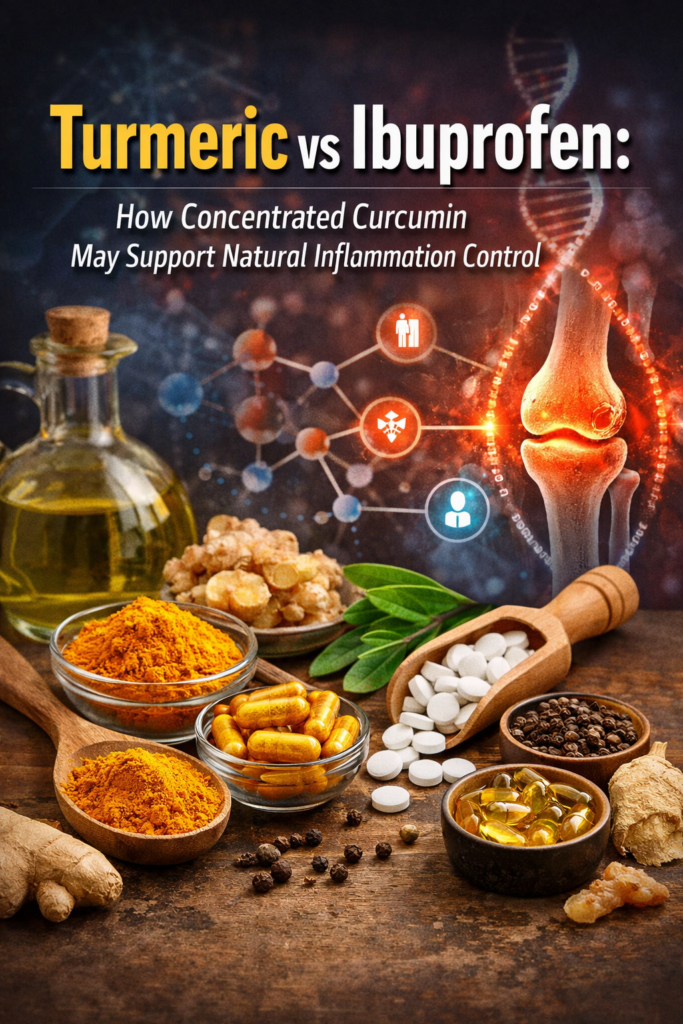
The Science Behind Turmeric and Inflammation Relief
Chronic inflammation is linked to joint pain, autoimmune conditions, metabolic disorders, and many long-term health concerns. While over-the-counter medications like ibuprofen are commonly used for fast relief, growing research is exploring how concentrated plant compounds — particularly curcumin from turmeric — may support inflammation balance through multiple biological pathways.
Turmeric itself is a culinary spice, but its most researched active compound is curcumin, which is typically extracted and concentrated in supplement form. Standard dietary turmeric contains relatively low curcumin levels, which is why concentrated extracts are often used in research settings.
Understanding How Inflammation Works in the Body
Inflammation is regulated by several major biological signaling pathways. These pathways can increase or decrease inflammatory activity depending on lifestyle, nutrition, stress, and environmental factors.
Key functional “control systems” include:
- Pain and inflammatory signal production systems
These generate prostaglandins and other molecules that trigger swelling and pain. - Genetic inflammation activation systems
These regulate inflammatory gene expression and can amplify inflammatory responses throughout the body. - Inflammation amplification pathways
These prolong inflammatory signaling even after the original trigger is gone. - Backup inflammatory alarm pathways
These can reactivate inflammation even when other pathways are suppressed.
Many pharmaceutical drugs target only one of these pathways, which is why repeated dosing is often required.
How Ibuprofen and Other Common Pain Relievers Work
Ibuprofen primarily blocks prostaglandin production. This can reduce pain and swelling quickly, but it may also affect protective mechanisms for organs such as the stomach and kidneys. Long-term or frequent use is associated with potential gastrointestinal irritation and kidney stress.
Other common medications function differently:
- Acetaminophen (Tylenol): Primarily affects pain perception in the brain rather than inflammation itself.
- Aspirin: Also targets prostaglandin pathways but may increase stomach irritation risk in some individuals.
These medications can be effective short-term tools but typically do not address broader inflammatory signaling networks.
How Concentrated Curcumin May Support Inflammation Balance
Research suggests concentrated curcumin may influence multiple inflammatory pathways at once. While it may not act as rapidly or as strongly as pharmaceutical anti-inflammatories, its broader mechanism is what researchers find interesting.
Some clinical research has examined:
- Approximately 1,000–1,500 mg curcumin extracts
- Often combined with black pepper extract (piperine) to enhance absorption
Some controlled human studies have suggested comparable symptom improvements to certain NSAIDs in specific populations, though results vary and depend on formulation, dosage, and individual biology.
Additional Natural Compounds That Support Inflammation Regulation
Several nutrition-based compounds influence specific inflammatory pathways:
Extra Virgin Olive Oil
Contains oleocanthal, a compound that may support inflammatory balance.
Ginger
Contains gingerols that may support inflammatory signaling control.
Omega-3 Fatty Acids
Found in fish oil and cod liver oil, they help balance inflammatory lipid signaling.
Boswellia (Frankincense Extract)
Often studied for its effects on leukotriene pathways related to chronic inflammation.
Root Causes That Commonly Trigger Chronic Inflammation
Addressing underlying triggers is often more important than symptom suppression alone.
Major contributors include:
1. Insulin Resistance
Often associated with high sugar intake, refined carbohydrates, and frequent snacking.
2. Mitochondrial Stress or Damage
Linked to poor sleep, smoking, ultra-processed foods, and sedentary lifestyle.
3. Oxidative Stress
Can result from toxin exposure, poor diet quality, and chronic stress.
4. Gut Barrier Dysfunction (“Leaky Gut”)
Often associated with ultra-processed foods and certain dietary sensitivities.
5. Chronic or Latent Infections
Some viral or bacterial infections can cycle between active and dormant states, influencing inflammation levels.
Lifestyle Strategies That May Support Lower Inflammation
Evidence-supported strategies often include:
- Reducing ultra-processed food intake
- Managing blood sugar through balanced nutrition
- Intermittent fasting (where medically appropriate)
- Maintaining adequate magnesium, vitamin D, zinc, and omega-3 levels
- Prioritizing sleep and stress regulation
Practical Perspective: Medication vs Natural Support
Pharmaceutical anti-inflammatories can be valuable tools, especially for acute pain. Nutritional and botanical strategies are often studied for longer-term inflammatory balance and root-cause support.
For many people, the most effective approach combines:
- Medical guidance when needed
- Nutritional optimization
- Targeted supplementation when appropriate
- Lifestyle changes that reduce inflammatory triggers
Key Takeaway
Curcumin — particularly in concentrated, well-absorbed forms — is being actively studied for its ability to support multiple inflammatory pathways simultaneously. While it is not a direct replacement for medical treatment, it represents a promising area of nutritional science focused on whole-body inflammation regulation.
If you are looking to address inflammation at its root, understanding the science behind Intermittent Fasting Benefits for Inflammation and Metabolic Health can help you support blood sugar balance, cellular repair, and long-term inflammatory control naturally.
For comprehensive information on turmeric’s potential health benefits, safety considerations, and current research, refer to the NIH NCCIH: Turmeric Overview page.
Health Disclaimer:
This content is for educational purposes only and is not medical advice. Always consult a qualified healthcare professional before starting supplements, fasting, or making health changes. Statements have not been evaluated by the FDA and are not intended to diagnose, treat, cure, or prevent any disease.