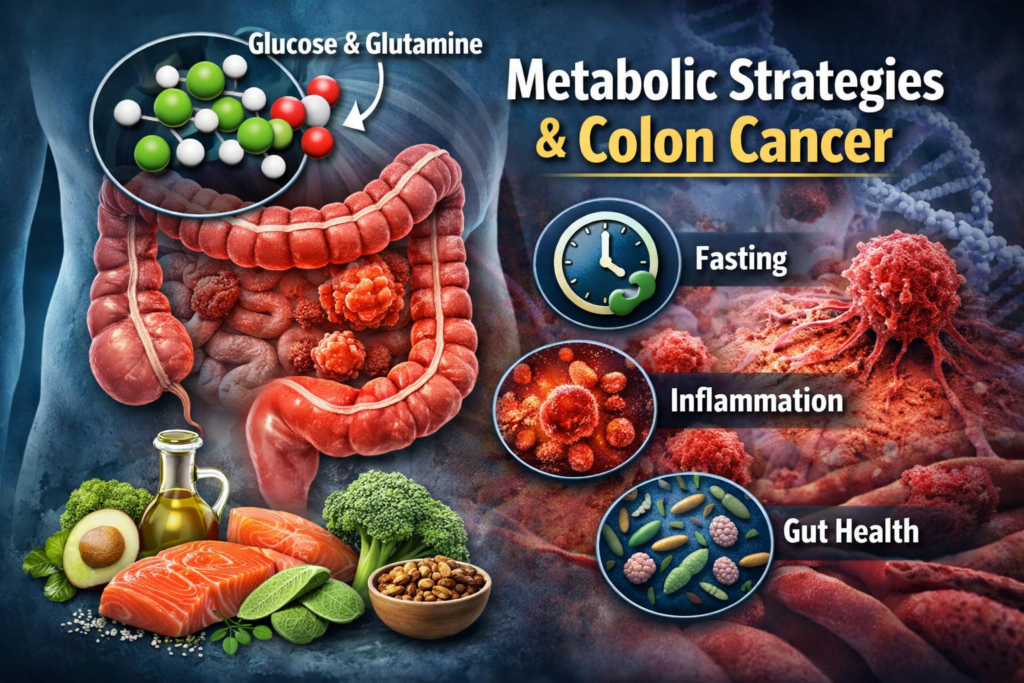
Colon cancer is one of the most common cancers worldwide, and researchers continue exploring how metabolic factors influence tumor growth. Emerging discussions in metabolic health highlight how cancer cells rely heavily on specific fuels and environmental conditions to survive and multiply. Understanding these biological dependencies has led to growing interest in dietary and metabolic strategies that may help weaken cancer cells by disrupting their energy supply & stress colon cancer metabolism. Research into cancer cell metabolism continues to reveal how tumors depend on specific fuels such as glucose and glutamine. These discoveries have led scientists to explore how metabolic health, insulin regulation, inflammation, and the gut microbiome may influence the biological environment in which cancer develops.
discussed in metabolic health research.
Research into cancer cell metabolism continues to reveal how tumors depend on specific fuels such as glucose and glutamine. These discoveries have led scientists to explore how metabolic health, insulin regulation, inflammation, and the gut microbiome may influence the biological environment in which cancer develops. Below are key factual concepts about cancer metabolism and colon cancer that have been widely
1. Cancer Cells Depend Heavily on Glucose
Many cancer cells rely heavily on glucose (sugar) for energy and rapid growth. This phenomenon is related to what scientists call the Warburg Effect, where cancer cells prefer glucose metabolism even when oxygen is available. Understanding colon cancer metabolism is key.
Because of this dependence, environments with high blood sugar and high insulin levels may support cancer cell growth and survival.
Lowering glucose availability may create metabolic stress for cancer cells that depend on this fuel source.
2. Insulin and Growth Signaling Can Influence Tumor Growth
Insulin is not only a blood sugar regulator; it is also a powerful growth hormone in the body.
Chronically elevated insulin levels may:
- Stimulate cellular growth signals
- Promote inflammation
- Support tumor proliferation
Improving metabolic health and maintaining balanced insulin levels may help create a less favorable environment for abnormal cell growth.
3. Some Cancer Cells Also Depend on Glutamine
In addition to glucose, certain cancer cells use glutamine, an amino acid, as an alternative fuel source.
Glutamine can support:
- Rapid cell division
- Energy production
- DNA synthesis
This dual fuel dependency is one reason cancer metabolism is an active area of scientific investigation.
4. Fasting May Activate Cellular Repair Mechanisms
Periods without food intake can trigger several biological responses in the body, including a process known as autophagy.
Autophagy is a natural cellular process that:
- Removes damaged cell components
- Recycles cellular materials
- Supports cellular repair and maintenance
This process becomes more active during periods of fasting or calorie restriction.
5. Chronic Inflammation Supports Cancer Development
Chronic inflammation has long been associated with the development and progression of many diseases, including colon cancer.
Inflammatory environments can contribute to:
- DNA damage
- Cellular mutation
- Tumor progression
Reducing systemic inflammation through improved metabolic health is considered beneficial for overall cellular stability.
6. Gut Health Plays a Role in Colon Health
The colon is home to trillions of microorganisms that make up the gut microbiome.
A balanced microbiome supports:
- Healthy digestion
- Immune regulation
- Reduced intestinal inflammation
Disruptions in gut bacteria have been linked to several digestive diseases, including colorectal cancer.
Maintaining a healthy gut environment may contribute to better colon health.
7. Metabolic Health Influences Disease Risk
Poor metabolic health—characterized by high blood sugar, insulin resistance, obesity, and chronic inflammation—has been associated with a higher risk of several diseases, including colon cancer.
Improving metabolic markers may support the body’s natural ability to maintain cellular balance.
Key Takeaway
Cancer cells often rely on specific metabolic fuels and inflammatory conditions to thrive. Research in cancer metabolism continues to explore how factors such as blood sugar regulation, insulin levels, inflammation, and gut health may influence the environment in which cancer cells grow.
While these metabolic principles are still an area of active scientific study, maintaining strong metabolic health remains an important component of overall wellness and disease prevention.
Transforming Your Gut Health Naturally
Because the colon is directly influenced by the health of the gut microbiome, improving digestive balance is one of the most important steps toward long-term colon wellness. The trillions of microorganisms living in the digestive tract play a major role in regulating inflammation, supporting the immune system, and maintaining the integrity of the intestinal lining. When these microbes become imbalanced, it can contribute to digestive problems and chronic inflammation. If you would like to learn practical strategies for restoring microbial balance and strengthening digestive health, explore our detailed guide on How to Transform Your Gut Health Naturally, where we discuss nutrition, probiotics, and lifestyle habits that help rebuild a healthier gut environment.
External Resource on Colon Cancer and Metabolic Health
Scientific research continues to explore how metabolic health, inflammation, and lifestyle factors influence the development and progression of colon cancer. Organizations dedicated to cancer research regularly publish updated findings on prevention, risk factors, and emerging treatment strategies. For additional medically reviewed information on colon cancer, its causes, and prevention strategies, visit the American Cancer Society’s colorectal cancer resource center:
https://www.cancer.org/cancer/types/colon-rectal-cancer.html
This resource provides evidence-based insights into colon cancer risk factors, screening recommendations, and lifestyle habits that may help support long-term colon health.
Health Disclaimer:
This article is for educational purposes only and is not intended to diagnose, treat, cure, or prevent any disease. Individuals with medical conditions should always consult a qualified healthcare professional before making significant dietary or lifestyle changes.