Piano music is a beautiful style of music that has existed since the early 1700s and it became popular in classical and romantic eras. It is arguably one of the most important western musical genres. Piano is perfect for setting the mood and ambiance & does wonders to ease the anxious mind.
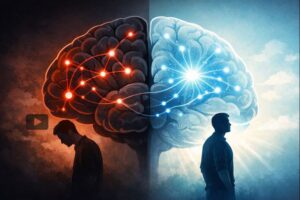
An increasing body of scientific research shows that calming music is not merely “soothing”—it has measurable, biological effects on the brain and nervous system that directly reduce anxiety. Studies spanning psychology, neurology, psychiatry, and music therapy all affirm the same conclusion: the right music can significantly lower stress levels, decrease physical tension, and restore emotional balance.
1. Music Reduces the Body’s Stress Hormones
One of the strongest findings in research is that calming music can lower cortisol, the hormone associated with stress and anxiety.
- A 2020 study published in Frontiers in Psychology found that relaxing music significantly reduced cortisol levels in participants preparing for a stressful activity.
- Lower cortisol leads to reduced heart rate, steadier breathing, and a calmer emotional state.
What this means for you: Music can physiologically interrupt the stress response—helping the body shift from “fight-or-flight” into a state of rest and recovery.
2. Music Regulates the Autonomic Nervous System
The autonomic nervous system controls heart rate, blood pressure, and breathing patterns. Calming music has been shown to:
- Lower heart rate
- Reduce blood pressure
- Increase heart-rate variability (HRV), which is a primary marker of emotional resilience
- Slow breathing rate, which stabilizes anxiety
A study in PLOS ONE showed that slow, harmonic music (especially 60–80 BPM) can naturally synchronize breathing and heartbeat—this is known as entrainment, a powerful calming effect.
3. Music Stimulates the Brain’s Reward and Pleasure Centers
The right music triggers the release of:
- Dopamine – associated with motivation and pleasure
- Serotonin – helps regulate mood and anxiety
- Oxytocin – the “bonding hormone” that produces warmth and connection
This biochemical release creates a natural antidepressant and anxiolytic effect without medication.
4. Music Helps Override Negative Thought Patterns
Anxiety often involves repetitive or intrusive thought loops. Multiple studies show that calming music:
- Redirects mental focus
- Interrupts ruminating thoughts
- Increases mental clarity
- Promotes emotional grounding
Brain imaging (fMRI studies) reveals that calming music reduces activity in the amygdala, the brain’s fear and anxiety center, while activating the prefrontal cortex, responsible for clarity and rational thinking.
5. Music Therapy Is Clinically Proven for Anxiety Disorders
Music therapy is now used in:
- Hospitals
- Cancer treatment centers
- Veteran trauma programs
- Mental health clinics
- Pre-surgical anxiety programs
A major review of 26 clinical trials found that music therapy significantly reduced anxiety symptoms across multiple groups, from children to the elderly.
What Kind of Music Works Best?
Scientific research highlights a few types of music that consistently calm the nervous system:
✓ Slow Tempo: 60–80 beats per minute
Matches natural resting heart rate and promotes relaxation.
✓ Soft Instrumentals
Piano, ambient pads, classical strings, flute, or soft acoustic guitar.
✓ Nature Sounds
Rain, ocean waves, forest ambience—these activate the parasympathetic system.
✓ Repetitive, Predictable Melodies
Helps the brain relax due to the lack of sudden changes.
✓ Christian soaking worship or instrumental worship
Many believers report that Scripture-based or Spirit-sensitive instrumental worship deepens peace, especially during prayer or meditation.
How Fast Does Music Reduce Anxiety?
Studies show benefits in as little as:
- 5 minutes for mild anxiety
- 10–15 minutes for deeper calming
- 20–30 minutes for restructuring breathing, heart rate, and cortisol
Consistency increases the benefit.
Conclusion: Yes, Music Absolutely Eases Anxiety—Scientifically and Biblically
The research is clear: calming music isn’t just comforting—it produces real, measurable changes in the brain and body that reduce anxiety, stabilize emotions, and restore peace. For anyone struggling with stress, nervousness, sleeplessness, or emotional tension, incorporating calming music into daily routines can be a powerful, natural, and accessible remedy.
blog/magnesium-glycinate-for-sleep-and-anxiety
Anchor text: ✅ The Ultimate Arterial Support Stack: Vitamin D3, Vitamin K2, Magnesium Glycinate, Serrapeptase & Nattokinase
For more detailed scientific research on this topic, see the study published in Frontiers in Psychology below
This content is for informational and educational purposes only and is not intended to diagnose, treat, cure, or prevent any disease. Always consult your physician or qualified healthcare provider before starting any new supplement, nutritional program, or lifestyle change—especially if you have existing medical conditions, take medication, or experience ongoing symptoms.