The Super Gut: Restoring the Microbiome for Lasting Health
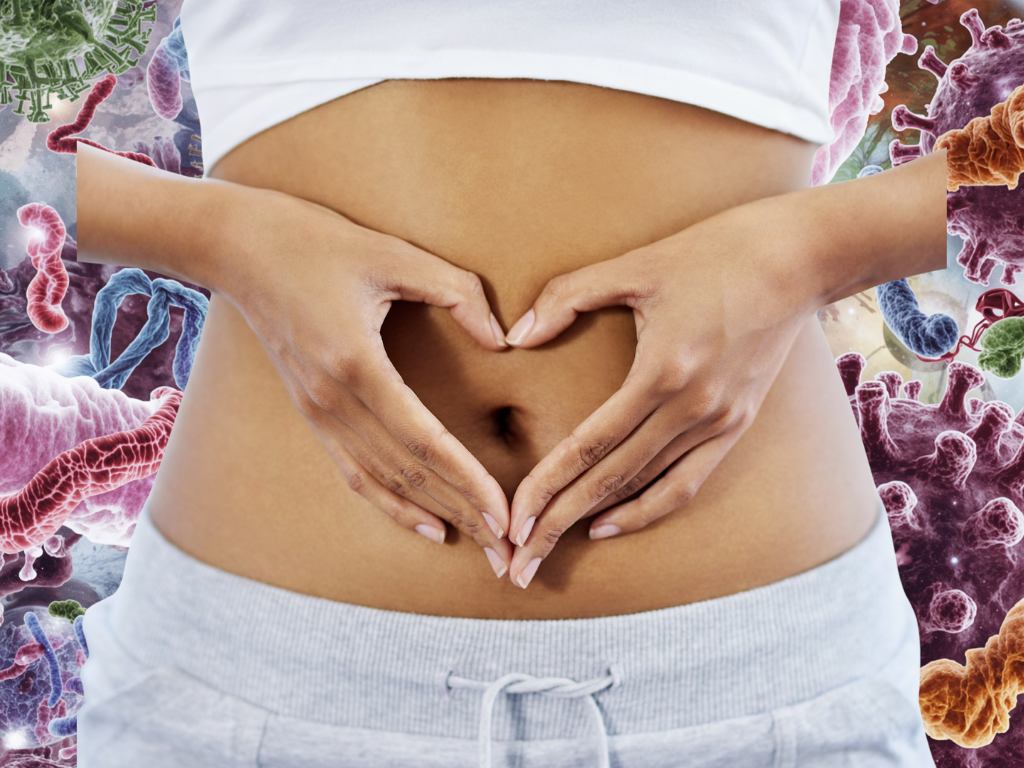
In today’s world of processed foods, chemical-laden produce, and antibiotic overuse, the health of our gut—the body’s inner ecosystem—has suffered more than ever before. The gut microbiome, a complex community of trillions of microorganisms, is designed to protect us, digest our food, and even influence our brain and mood. Yet, modern living has disrupted this delicate balance, leaving many people unknowingly struggling with symptoms rooted in poor gut health.
The Gut-Health Crisis
Over the last several decades, our diets have shifted dramatically toward refined grains, sugars, artificial additives, and preservatives. These processed foods, combined with exposure to pesticides and frequent antibiotic use, have devastated the diversity of our gut bacteria. This loss of “good” microbes—known as dysbiosis—can lead to a weakened immune system, chronic inflammation, nutrient malabsorption, and a host of metabolic problems.
Emerging research now links gut imbalance to conditions like obesity, anxiety, depression, autoimmune disease, and even cognitive decline. One of the most overlooked conditions tied to this imbalance is Small Intestinal Bacterial Overgrowth (SIBO)—a state in which bacteria migrate to the small intestine, where they don’t belong. Studies suggest that as many as one in three people may have SIBO without even realizing it, leading to bloating, fatigue, skin issues, and unpredictable digestion.
How a Healthy Gut Impacts the Whole Body
When the microbiome thrives, the body thrives. Beneficial bacteria play vital roles in:
- Supporting immune function by training immune cells to recognize and fight harmful invaders.
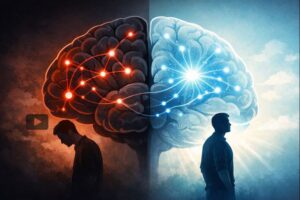
- Regulating mood and brain chemistry through the gut-brain axis, which connects intestinal health to neurotransmitter production like serotonin and dopamine.
- Balancing blood sugar and weight by influencing metabolism and reducing inflammation.
- Improving digestion and nutrient absorption for essential vitamins, minerals, and fatty acids.
When the gut is unbalanced, however, these same systems can go into disarray—leading to fatigue, mood swings, cravings, and chronic illness.
Steps Toward a Healthier Gut
Science is now showing that we can repair and repopulate the microbiome naturally through intentional lifestyle changes and diet.
Here are foundational steps to begin your journey:
- Eliminate gut-damaging foods – Avoid refined sugars, processed oils, and artificial ingredients.
- Eat fermented and fiber-rich foods – Incorporate kefir, sauerkraut, yogurt, kimchi, and prebiotic fibers from vegetables and legumes.
- Support microbial diversity – Rotate your diet with a variety of whole, unprocessed plant-based foods.
- Reduce antibiotic exposure – Use antibiotics only when medically necessary and support recovery afterward with probiotics.
- Manage stress and sleep – Chronic stress alters gut permeability, while deep rest allows your microbiome to reset.
A Path to Renewal
Healing the gut is not an overnight process, but rather a journey of restoration and balance. With the right foods, lifestyle adjustments, and consistent self-care, the microbiome can regenerate—strengthening your immunity, elevating your mood, and transforming your long-term wellness.
In summary:
Your gut is not just part of your digestive system—it’s the foundation of your overall health. When nourished and balanced, it becomes your body’s strongest ally in fighting disease, stabilizing weight, and sustaining mental clarity.